Facebook isn’t just another social media platform — it’s a marketing powerhouse that businesses, advertisers, and agencies rely on to connect with the right audience. With billions of active users, it offers a vast playground for Facebook marketing, but there’s a catch: not all users are equal.
Many brands chase numbers, hoping that more Facebook traffic automatically translates to success. But quantity doesn’t guarantee quality. A page flooded with uninterested followers won’t help you increase Facebook engagement or drive meaningful conversions. High-quality users — those who genuinely care about your content — are the ones who comment, share, and actually buy what you’re offering. They boost your Facebook reach, making your brand more visible without relying solely on ads.
So, how do you attract these users instead of wasting time on an audience that won’t convert? In this guide, we’ll break down the essential strategies for Facebook promotion, from optimizing your Facebook business page to mastering Facebook audience targeting and using social media analytics to fine-tune your approach. Whether you're running ads, posting content, or engaging in groups, the key is to build an engaged and loyal community — not just gather numbers. Let’s dive in.
Optimizing Your Facebook Marketing Page for Maximum Reach
Your Facebook business page is the foundation of your online presence. Before you focus on Facebook promotion strategies, you need to ensure your page is optimized for visibility and engagement. A well-structured profile not only attracts high-quality users but also improves your organic Facebook reach and boosts credibility.
Setting Up a Professional Business Page
Start by choosing the right page category that aligns with your brand. Fill out all the essential details, including your business name, contact information, and website link. A complete and well-structured page makes it easier for users to trust your brand and engage with your content.
Optimizing Profile and Cover Images
First impressions matter. Your profile picture—typically your brand logo—should be clear, high-resolution, and easily recognizable. The cover image, on the other hand, serves as a promotional banner. Use it to highlight a product, an ongoing campaign, or a compelling brand message. Keep it visually appealing while ensuring it aligns with your overall social media strategy.
Writing Compelling Descriptions and CTAs
Your About section should be more than just a company bio—it should communicate why users should engage with your brand. Use clear, persuasive language that aligns with your audience’s interests. Additionally, optimize your call-to-action (CTA) button to encourage conversions. Whether it’s “Shop Now,” “Sign Up,” or “Learn More,” a well-placed CTA can significantly increase Facebook engagement and direct users to take meaningful action.
Creating Engaging and Shareable Content
Content is the heartbeat of Facebook marketing. No matter how optimized your Facebook business page is, without engaging and shareable posts, your reach will remain limited. High-quality content keeps users interested, encourages interactions, and improves Facebook reach, making your brand more visible to the right audience.
The Role of High-Quality Content in Audience Engagement
Not all posts are created equal. Content that sparks curiosity, solves problems, or entertains has a much higher chance of driving Facebook traffic and keeping users engaged. The goal is not just to post frequently but to share meaningful content that resonates with your audience. Thoughtful, valuable content naturally leads to social media growth and helps you increase Facebook engagement over time.
Video Content, Carousel Posts, and Interactive Polls
Variety is key to a successful Facebook marketing strategy.
Video content outperforms static images, grabbing attention and boosting engagement. Short-form videos, tutorials, and behind-the-scenes clips work particularly well.
Carousel posts allow you to showcase multiple products, tell a story, or guide users through a step-by-step process.
Interactive polls encourage participation, making users feel involved while providing insights into their preferences—perfect for refining your social media strategy.
Posting Frequency and Best Times to Post
Consistency matters, but quality beats quantity. Posting too often can overwhelm your audience, while infrequent posting makes your brand forgettable. The best time to post on Facebook varies, but studies suggest that weekdays during lunchtime and evenings tend to see the highest engagement. However, testing different schedules using social media analytics will help you determine the perfect timing for your specific audience.
Leveraging Facebook Ads for Targeted Traffic
Driving high-quality users to your page isn’t just about running ads—it’s about ensuring those ads reach and convert the right audience. Many businesses struggle with Facebook marketing because they either overspend on broad targeting or fail to track engagement properly. To make the most of Facebook promotion, a structured social media strategy that combines both paid advertising and organic Facebook reach is essential.
The key to successful Facebook audience targeting is precision. Instead of spending money on broad campaigns, businesses should focus on specific interest-based and behavioral targeting. Facebook allows brands to narrow their audience based on demographics, past interactions, and user behavior. However, many advertisers find that Facebook’s algorithm often favors larger budgets, making it harder for smaller businesses to compete effectively.
That’s why a mix of ad campaigns and external engagement strategies can help brands gain traction. While Facebook Ads provide quick exposure, they don’t always guarantee increased Facebook engagement. Alternative Facebook promotion methods, such as automated audience engagement platforms like IPweb, can help businesses drive high-quality users who are genuinely interested in their content, improving their organic Facebook reach while optimizing their ad spend.
Budgeting is another crucial factor. Many businesses waste money on Facebook traffic that doesn’t convert. A smarter approach is to start with smaller test campaigns, analyze performance using social media analytics, and only scale successful ads. Combining targeted ad campaigns with data-driven adjustments ensures brands get the most out of their Facebook advertising tips.
To dominate Facebook marketing, businesses must go beyond simple ad spending. The most effective approach is a combination of data-driven targeting, social media strategy, and consistent content promotion. By leveraging both paid and organic methods, brands can increase Facebook engagement and ensure long-term success.
Harnessing Facebook Groups and Communities
Facebook Groups have become a powerful tool for engagement, offering businesses a direct way to interact with potential customers, share valuable insights, and establish authority within their niche. Unlike a Facebook business page, where posts rely on organic Facebook reach, groups create a community-driven environment where discussions feel more personal and interactive.
The key to leveraging groups effectively is genuine participation. Instead of using groups solely for Facebook promotion, businesses should focus on adding value. Engaging with group members by answering questions, sharing industry insights, and starting meaningful discussions builds trust and credibility. Over time, this approach helps increase Facebook engagement organically, as users begin to recognize your brand as a valuable contributor rather than just another advertiser.
Building authority takes consistency. Contributing useful content—such as case studies, expert tips, or industry trends—encourages members to interact with your posts. High-quality engagement in groups also improves Facebook audience targeting, as active discussions increase visibility and help attract high-quality users who are genuinely interested in your services.
When it comes to promoting your business, the key is subtlety and relevance. Spamming groups with direct sales pitches often results in removal or being ignored. Instead, brands should integrate social media strategy techniques like sharing helpful content, offering free resources, or discussing solutions related to their products. Platforms like IPweb can also assist in gaining more exposure by helping businesses connect with engaged users who are already active within relevant Facebook communities.
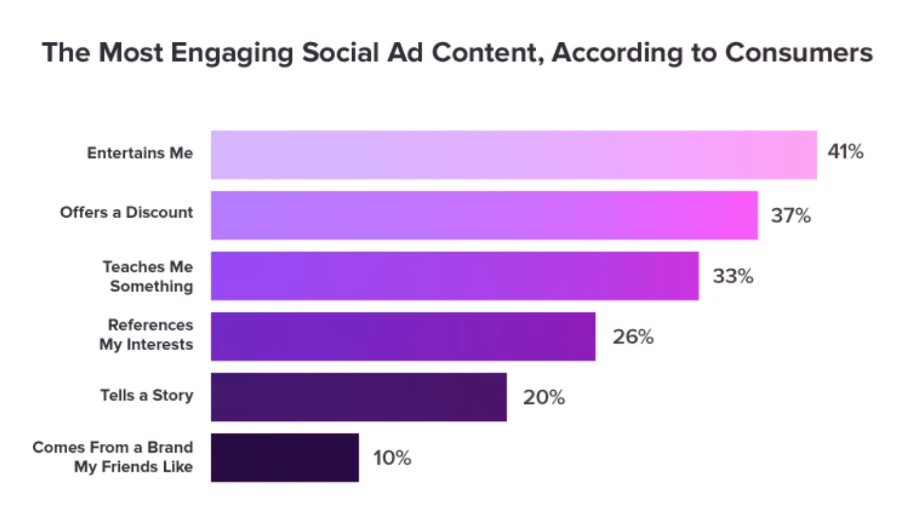
Building authority takes consistency. Contributing useful content — such as case studies, expert tips, or industry trends — encourages members to interact with your posts. High-quality engagement in groups also improves Facebook audience targeting, as active discussions increase visibility and help attract high-quality users who are genuinely interested in your services.
Using Facebook Analytics to Improve Performance
One of the most important metrics to track is the engagement rate. This includes likes, shares, comments, and overall interactions on posts. A high engagement rate means your content resonates with your audience, while low engagement suggests a need for improvement. Another crucial metric is the conversion rate, which measures how many users take the desired action—whether it’s signing up for a newsletter, purchasing a product, or clicking on a link.
To optimize Facebook promotion, businesses should analyze data regularly and adjust their approach based on insights. For example, identifying the best time to post on Facebook ensures that content reaches the most active users. Additionally, tracking audience demographics helps refine Facebook audience targeting, making future campaigns more effective.
Beyond Facebook’s built-in analytics, using external tools can further enhance tracking. Platforms like IPweb help businesses improve their Facebook traffic by ensuring their promotions reach high-quality users who are more likely to engage and convert. By consistently evaluating performance and making strategic adjustments, brands can increase Facebook engagement and achieve sustainable social media growth.
Conclusion
Dominating Facebook traffic requires more than just posting content—it demands strategic planning, using Facebook advertising tips, audience engagement, and data-driven optimization. By optimizing your Facebook business page, creating engaging content, leveraging Facebook promotion strategies, and analyzing performance through social media analytics, you can attract high-quality users and maximize your brand’s reach.
To stay ahead, businesses must continuously refine their social media growth strategy and adapt based on performance data. Whether through organic Facebook reach, Facebook advertising tips, or community engagement, the goal is to build a loyal, engaged audience that drives real results.

Internet Marketer