In the evolving landscape of social media marketing, brands and creators often turn to incentivized traffic to give their content a fast initial push. Whether it’s paying users to follow an account, like a post, or watch a video, these tactics can create the illusion of popularity and boost early momentum. But in 2025, platforms like Instagram, TikTok, and X (formerly Twitter) are deploying increasingly sophisticated systems to distinguish organic traffic from paid social media interactions.
If your engagement looks artificial, it risks getting flagged or even penalized by algorithms designed to prioritize authenticity. This doesn’t mean you can’t use motivated strategies — it just means you need to make them look natural. This guide explores how to mask incentivized actions effectively, mix them with organic activity, and maintain a clean growth footprint while still gaining visibility in a competitive digital space.
What Is Incentivized Traffic?
Incentivized traffic refers to visits or engagement on a platform that are generated not because someone is genuinely interested in the content — but because they were promised something in return. It’s a common growth shortcut used by marketers, app developers, and creators across platforms. Think contests with entry rules like “follow and like to win,” cost-per-action (CPA) affiliate offers, or click-to-earn schemes where users are paid small amounts to watch a video or click a link.
This kind of traffic can give your metrics an instant boost. You’ll see visitor spikes, follower increases, or video views jump in a short window. But here’s the trade-off: motivated traffic doesn’t usually act like normal users. They come for the reward, not your content. That often leads to short session durations, few real interactions, and a higher bounce rate — all signals that the traffic isn’t truly organic.
Another variation is rewarded traffic, where the user isn’t directly paid but gets something like in-app currency or points in return for interacting with your content. While it might feel more subtle, the behavioral patterns remain the same.
So while incentivized traffic has its uses, especially in the early stages of a campaign, it can quickly become a red flag to both algorithms and savvy observers if not mixed correctly with real engagement.
Incentivized Traffic – Upsides vs. Drawbacks
Advantages:
Delivers quick surges in views or follows
Helps kickstart visibility during launches
Useful for A/B testing or short-term boosts
Drawbacks:
Often leads to low-quality engagement
Can increase bounce rates and harm retention
May trigger platform warnings or analytics bias
Why Hiding Incentivized Traffic Is Important
Social platforms today don’t just reward reach — they monitor how you earn it. Every major network now uses advanced social media algorithm detection to spot patterns that resemble automation or manipulation. When traffic suddenly spikes, or engagement looks off (think thousands of likes with zero comments), systems get suspicious. That’s where fake engagement gets flagged.
Take Meta or Instagram, for example. If your post gets a flood of follows or reactions in seconds — especially from accounts with no profile pictures or unrelated geographies — their internal tools can automatically flag it for review. Same on TikTok, where velocity and source diversity matter. Unusual bursts of attention from click farms or rewarded apps can bury your content, even if it’s high quality.
The consequences aren’t just algorithmic throttling. Accounts can face shadowbans, making your posts invisible without notice. Worse, repeat offenders may see reduced distribution permanently — a massive hit in the world of social media marketing. Some profiles have even been temporarily restricted or deactivated due to detected manipulation.
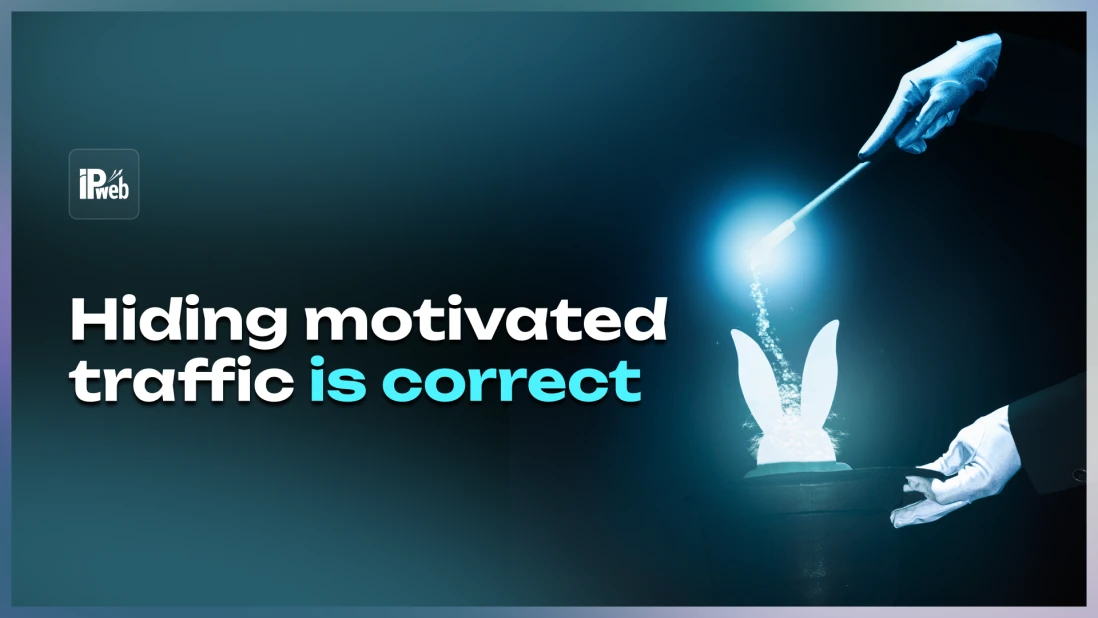
That’s why hiding incentivized traffic isn’t about deception — it’s about survival. When managed poorly, even well-intentioned paid social media promotions can backfire. Done right, however, motivated traffic becomes a silent partner — helping grow your reach without waving a red flag to the platforms watching your every metric.
Common Red Flags of Unnatural Traffic
Before a platform punishes you, it notices. Detection systems are trained to look for patterns that hint at manipulation — and some behaviors are red flags every time. Here’s what typically raises alarms:
- Sudden surge in views or followers
An overnight spike in followers without context (like a trending video or mention) can suggest the use of traffic bots or paid batches of low-quality accounts.
- Low retention rates
If users bounce after a few seconds, especially in video content, it indicates click fraud or disinterested, incentivized viewers.
- Very high or very low CTR
Unnaturally high click-through rates (CTR) from unfamiliar sources — or extremely low CTR despite high impressions — may suggest manipulation or engagement pods boosting visibility.
- Short session duration
A sharp drop in time-on-site or short views suggests traffic isn't behaving like genuine users, which affects bounce rate metrics.
- Irregular traffic spikes
Natural traffic usually grows in waves. Unpredictable, sharp peaks often look artificial, especially if tied to referral sites with no niche overlap.
When several of these signals stack up, platforms may slow your reach, reduce impressions, or flag you for further review. Even if your intent is growth, failing to blend motivated traffic with organic behaviors can have lasting consequences.
How to Blend Incentivized and Organic Traffic Effectively
Blending incentivized traffic with organic traffic is more of an art than a hack. The key is to avoid obvious patterns and build user behavior that looks natural to both people and algorithms. Below is a checklist-style strategy to help your user acquisition tactics stay under the radar while still driving meaningful social engagement.
Smart Steps for Blending Traffic Like a Pro:
- Scale Gradually
Start with smaller bursts of incentivized traffic and increase volume slowly over time. Gradual scaling mirrors how real accounts grow — making sudden spikes less suspicious.
- Target Relevance
Choose rewarded users who belong to your niche or speak your target language. Even when traffic is paid, relevance boosts interaction quality.
- Create Organic Waves
Pair incentivized efforts with shoutouts, SEO content, or influencer marketing. This creates engagement that appears multi-sourced and authentic.
- Diversify Sources
Don’t rely on one link or traffic provider. Mix it up with direct, social, and referral traffic to spread the footprint across multiple paths.
- Encourage Real Behaviors
Use soft CTAs like “explore more,” “drop a comment,” or “check our other posts” to encourage natural follow-up actions.
Track KPIsKeep an eye on bounce rate, session time, and click paths. If metrics look fake, so will the traffic. Refine your approach based on real performance indicators.
Incentivized traffic isn't the enemy — obvious traffic is. If it walks, talks, and clicks like a real user, platforms won’t mind how they arrived.
Technical Masking Techniques (Gray-Hat Tactics)
If you're going to use incentivized traffic, some marketers choose to apply technical tricks to hide paid traffic from detection systems. These gray-hat tactics aren’t foolproof and carry risk, but when used cautiously, they can reduce red flags and keep campaigns flying under the radar.
1. Cloaking Referrers with Redirect Layers
One of the most common methods is to cloak the traffic source using intermediate pages. These can include:
- Meta-refresh redirects: A simple HTML trick that automatically forwards users while stripping referral data.
- JavaScript-based redirects: More complex but harder for bots to trace.
- Server-side redirects (302/307): Applied before the destination page loads, often used to blur UTM traces.
This approach helps mask the origin of rewarded or traffic bots and makes it harder for platforms to track down paid sources.
2. Fake Activity via Engagement Pods
Engagement pods are groups of users who like, comment, and follow each other’s content in a coordinated way. They’re common in influencer circles and mimic organic behavior. Comment loops or scheduled likes are also used to boost social engagement without real fans.
3. Split Link Attribution with UTM Rotators
Rotating UTM parameters across different links helps fragment data trails. This makes it difficult for automated systems to see that all clicks come from one campaign or provider. Some marketers even use URL shorteners with randomized paths to further obscure patterns.
Important Note: These methods don't make traffic "real" — they just make it harder to trace. Use them only if you're prepared to manage risk and monitor KPIs closely.
Platform-Specific Do’s and Don’ts
Every social platform has its own algorithm, user culture, and tolerance for fake engagement. If you're using incentivized traffic or trying to blend it with organic social engagement, here are some tailored tips for staying below the radar on major platforms.
Instagram’s algorithm closely monitors engagement behavior. Avoid obvious follow-for-follow loops or mass likes from engagement pods. Instead, lean into branded content tools and collaborate with micro-influencers to simulate authentic reach. Maintain a balance of Stories, Reels, and static posts to keep interactions diversified.
YouTube
If you're using motivated traffic, keep the incentives within your content — not the titles or thumbnails. Telling viewers in the video to “like and subscribe to win” feels more native than tagging it in the title. YouTube’s algorithm uses watch time and click-through rate to assess value, so avoid high bounce rates triggered by misaligned titles.
TikTok
On TikTok, success is all about playing to the algorithm’s content loops. Sudden traffic spikes from paid social media sources can backfire. Focus on consistency, trend participation, and compelling video hooks. Supplement with incentivized views only if the content is already performing organically.
X (Twitter)
Avoid mass retweets or likes from traffic bots, especially if they arrive all at once. Instead, space out motivated engagement and mix it with genuine replies, polls, and retweets from smaller accounts. This helps maintain natural social media marketing patterns and avoids detection.
What the Platforms Say (Rules & Risks)
Most major platforms now have explicit rules against fake engagement and incentivized traffic, and their enforcement is getting tougher each year. What used to fly under the radar—like buying likes or using click fraud bots—can now trigger bans, demonetization, or shadowbans with little warning.
Facebook and Instagram (Meta) prohibit “artificial amplification,” which includes any manipulation of likes, followers, or engagement via paid schemes. Their systems scan for patterns that resemble engagement pods or repeated bot-like activity.
TikTok actively demotes content that gets manipulated views or likes, even if the content is strong. Their algorithms favor authentic watch behavior and will suppress videos if they sense suspicious interaction patterns.
YouTube’s terms are perhaps the strictest. They prohibit any attempt to "artificially increase views, likes, comments, or other metrics." Channels caught using incentivized traffic or tools mimicking user behavior may face demonetization or permanent suspension.
Platform Risk Summary
What’s Flagged: Artificial amplification, bot patterns
Risk Level: High
TikTok
What’s Flagged: Unnatural spikes in likes or watch time
Risk Level: Medium–High
YouTube
What’s Flagged: Fake views, CTR manipulation, comment spam
Risk Level: Very High
Final Thoughts
Incentivized traffic can still play a valuable role in paid social media strategies—as long as it’s used intelligently. The key is to treat it as a launchpad, not a long-term crutch. By blending paid engagement with genuine organic traffic, marketers can build momentum without setting off red flags.
Platforms aren’t against growth—they’re against manipulation. If your user acquisition tactics mimic natural behaviors, you’re more likely to stay under the radar. This means scaling gradually, targeting the right audiences, and always giving users a reason to interact beyond a simple reward.
Instead of relying solely on traffic spikes, aim to simulate real engagement: thoughtful comments, meaningful shares, and retention that reflects actual interest. Combined with influencer mentions, SEO, and community building, incentivized traffic can enhance your reach without compromising your reputation.
In 2025, the smartest marketers won’t avoid paid tactics—they’ll just make them indistinguishable from the real thing.

Internet Marketer